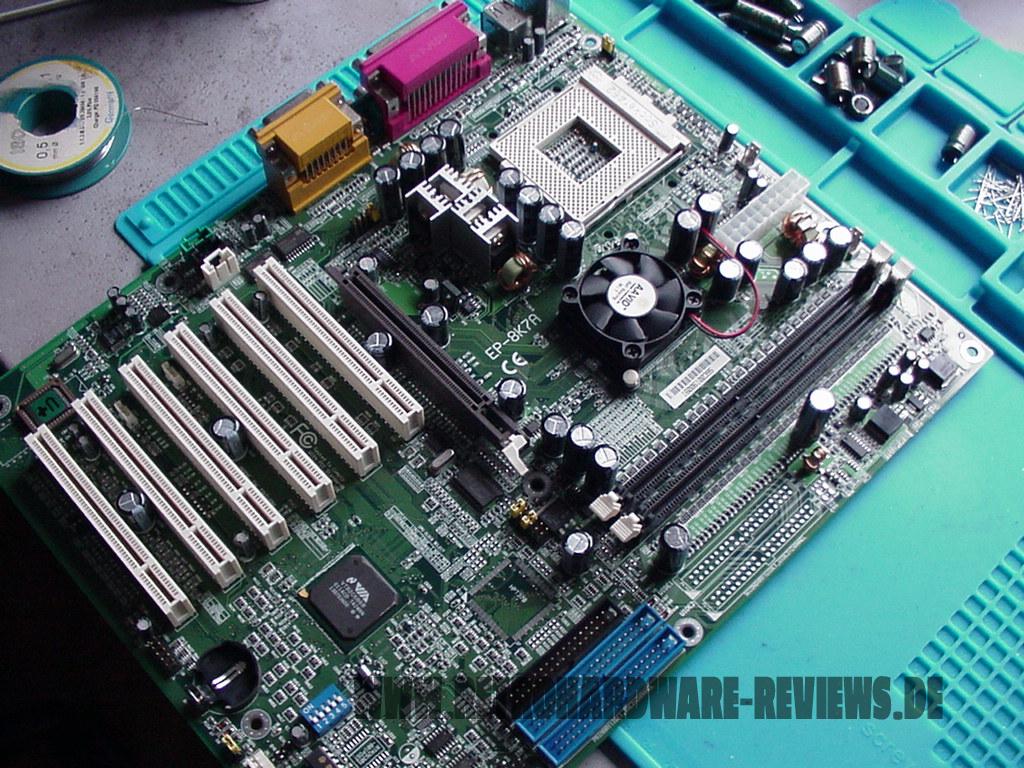
My Epox 8K7A got some new caps today 🙂


Introduction The 8KHAL+ was a very affordable KT266A board. Compared to EpoX’ flagship KT266A offering, the 8KHA+, it has only five PCI slots, lacks the POST code display and features only a 2-phase CPU VRM. Despite the fact, that the 8KHAL+ was a product that was clearly aimed towards the… Continue reading
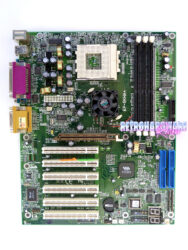
Introduction With the first BIOS version dated to late September 2001 and the first reviews dated to early October 2001, the EpoX 8KHA+ was one of the very first KT266A boards available on the market. The PCB Layout remained unchanged compared to its predecessor 8KHA with the KT266 chipset. Only… Continue reading
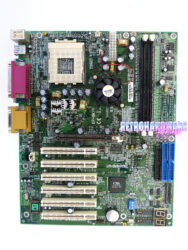
Introduction Up for review is the EP-8K7A, EpoX’s AMD760 based motherboard. Like all boards I know, which feature AMDs DDR chipset, it uses AMD’s 761 northbridge and the VIA 686B southbridge. Typical for EpoX, the board is packed with OC features. But in contrary to the older 8KTA3 model, for… Continue reading
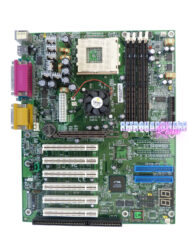
Introduction I was really looking forward to do this review. The EpoX EP-8KTA3 is part of my Win98 testing machine for many years now, where I test older graphics cards, soundcards and so on. I also use it to test SDR memory. It literally never let me down and never… Continue reading
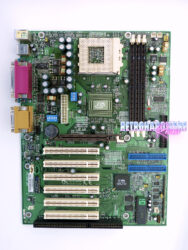
Introduction My first Socket A machine was already based on the VIA KT333, so I missed the whole “Thunderbird / SD-RAM” era, with which Socket A began. Sure, I used at least two KT133A-based machines for a longer period of time in the past years, but I never really used… Continue reading
My Epox 8K7A got some new caps today 🙂
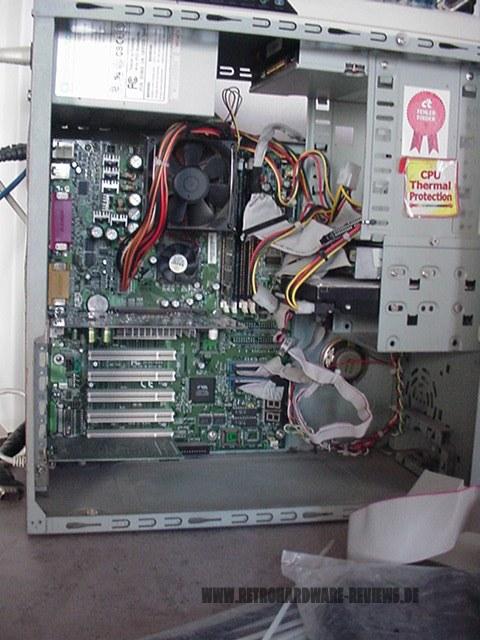
Picture of my VIA KT133A-based test-system. Taken on my trusty Sony Mavica.